If you love the idea of coastal living but do not want to give up restaurants, events, healthcare, parking, and daily convenience, Wilmington stands out for a reason. You do not have to choose between a beach lifestyle and a city routine here. In Wilmington, the riverfront, downtown core, and nearby beaches work together in a way that supports real everyday life. Let’s dive in.
Why Wilmington Feels Balanced
Wilmington is a riverfront city of about 126,809 residents, and its identity is shaped by both downtown energy and quick access to Wrightsville Beach, Carolina Beach, and Kure Beach. That mix gives you options depending on the day, the season, and your pace of life. You can spend a morning in the city and still make it to the coast without turning it into a full-day outing.
The River to Sea Bikeway helps tell that story clearly. It links downtown Wilmington to Wrightsville Beach, showing how beach access is part of the area’s daily rhythm, not just a weekend plan. For many buyers, that is the real appeal of Wilmington: you can live near the coast without feeling removed from services and activity.
Daily Life in Wilmington
Downtown stays active year-round
Wilmington’s downtown Riverwalk stretches 1.75 miles along the Cape Fear River and gives you access to parks, shopping, dining, museums, public art, and boating access. It is one of the clearest examples of how the city supports an active lifestyle even when you are not heading to the beach. If you want walkable outings, river views, and a steady mix of things to do, downtown delivers.
That energy carries through the rest of the year as well. Riverfront Park adds green space, a playground, a water feature, festival space, and a concert venue, while Greenfield Park offers 250 acres, a 4.8-mile paved path, kayak access, and an amphitheater. Together, these spaces give you outdoor options well beyond the sand.
Culture and entertainment are easy to reach
Wilmington offers more than scenery. Thalian Hall hosts live theatre and cinema in Historic Downtown Wilmington, Cameron Art Museum offers rotating exhibitions and outdoor space, and Cape Fear Museum adds another cultural anchor downtown. If you want a place that feels lively in every season, these amenities matter.
This is especially appealing if you are relocating from a larger metro and worry a coastal move could feel too quiet. In Wilmington, the beach is close, but so are performances, exhibits, community events, and public spaces that keep your schedule full.
Convenience is built into the city
A coastal lifestyle works better when everyday logistics are manageable. Downtown Wilmington includes more than 2,600 on-street metered parking spaces and 3,346 off-street public parking spaces, including six parking decks and two surface lots. That kind of infrastructure makes a difference when you are meeting friends, running errands, or heading to an event.
Wave Transit also supports day-to-day movement with 12 fixed routes serving more than 400 bus stops, along with RideMICRO, DART, trolley, and intercity options. Service reaches downtown Wilmington, Carolina Beach, and the historic district. For buyers thinking about flexibility, that transit network adds another layer of convenience.
Core services support real life
Lifestyle matters, but so do practical needs. Novant Health’s New Hanover Regional Medical Center campus is positioned for easy access from greater Wilmington and nearby coastal areas. Cape Fear Community College’s downtown campus also adds value, with a location within walking distance of shops, restaurants, hotels, and the Riverwalk.
These details may not be the first things that draw you in, but they often shape how comfortable life feels once you move. Wilmington’s appeal comes from having the fun parts of coastal living and the everyday support systems that make the area work.
Neighborhoods That Match Different Priorities
The best Wilmington-area fit depends on what you want most: daily beach time, a stronger city feel, or a middle ground. That is one of the market’s biggest strengths. You can choose different versions of coastal living without leaving the same metro area.
Downtown and Historic River District
If you want the strongest city feel, downtown and the Historic River District are natural starting points. This area puts you close to the Riverwalk, museums, Thalian Hall, restaurants, events, and public parking. You get a more urban setting while still staying connected to the coast.
For buyers who value walkability and year-round activity, this part of Wilmington often feels like the most balanced option. It is especially appealing if you want city convenience first and beach access second, not the other way around.
Wrightsville Beach
Wrightsville Beach is the most beach-forward choice in the area. The town has 44 designated public beach access locations, including ADA-accessible access points, restrooms, and parking. If your ideal day includes easy access to the shore, this location puts that lifestyle front and center.
At the same time, it is helpful to understand the tradeoff. Wrightsville Beach parking is actively managed daily from March 1 through October 31, so beach living here can feel more seasonal and more regulated than inland Wilmington neighborhoods. It is a strong fit if being close to the water is your top priority.
Carolina Beach
Carolina Beach offers a different kind of beach-town experience. Its Boardwalk District includes shops, restaurants, and entertainment in a pedestrian-only setting, with nearby parking and bike racks. The town also has about 3 miles of beach strand with lifeguard coverage in season.
Like Wrightsville Beach, Carolina Beach has seasonal parking systems, with paid parking in place from March 1 through October 31 and a mix of public lots and residential permit options. If you like a lively, boardwalk-oriented setting, this area may feel like a natural match.
Porters Neck
Porters Neck works well if you want a north Wilmington base with access to the Intracoastal Waterway and nearby beaches, but do not want to live directly on the sand. The community describes itself as a private, gated residential area with access to beaches, shopping, restaurants, parks, museums, and downtown Wilmington.
This can be a smart choice if you want a more residential setup while keeping coastal amenities within reach. For many buyers, that balance is what makes Porters Neck so appealing.
Autumn Hall
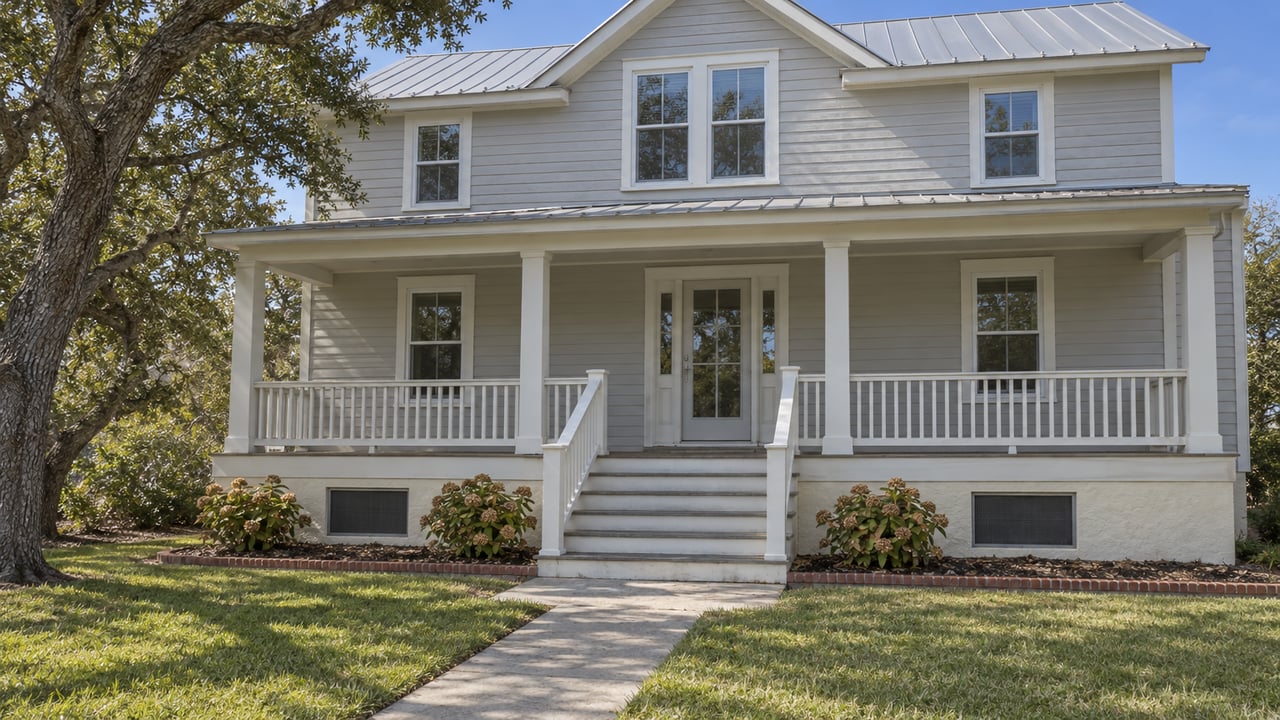
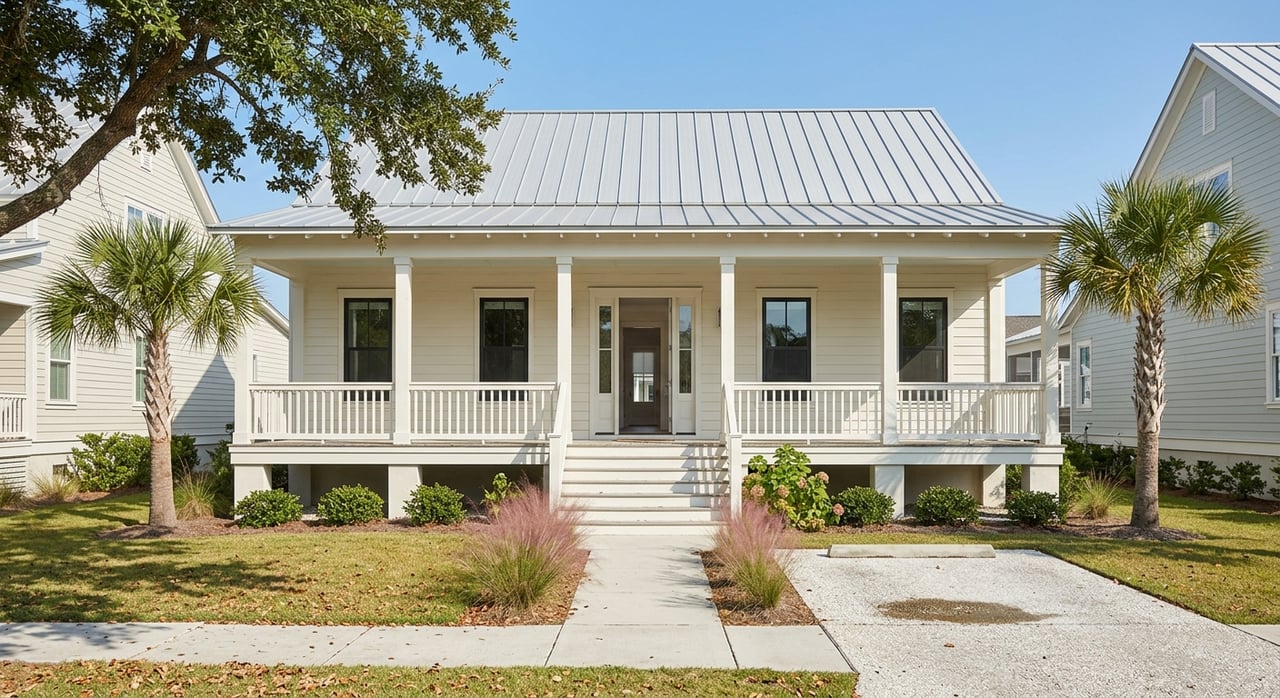
Autumn Hall offers a quieter, neighborhood-first environment within Wilmington. The community is known for tree-lined streets, sidewalks, and front porches that create a connected residential feel. If you want coastal proximity without a resort-style atmosphere, this is a neighborhood worth considering.
For buyers who picture Wilmington as a place to settle into daily routines rather than constant vacation energy, Autumn Hall can offer the right tone. It keeps you in the city while still supporting the broader coastal lifestyle.
Why Wilmington Appeals to Relocating Buyers
Wilmington often works well for buyers coming from outside the area because it functions more like a small coastal metro than a simple beach town. Wilmington International Airport lists 25 destinations and markets the area as a riverfront city with three island beaches minutes away. That kind of access matters if you travel often or expect regular visits from family and friends.
The city also stays active through a visible event calendar. Organizers expected about 100,000 visitors downtown for 2025 Azalea Festival events, and Wilmington’s Fourth of July riverfront celebration adds music, food, fireworks, and family activities. This helps the area feel vibrant beyond peak summer weekends.
New Hanover County Schools serves the county, and Cape Fear Community College offers downtown programming, workforce training, dual-enrollment pathways, and community services. For many buyers, that broader local infrastructure adds confidence to a relocation decision. It shows that Wilmington supports more than a vacation mindset.
The Tradeoffs to Keep in Mind
No market is perfect, and Wilmington is no exception. The biggest lifestyle tradeoff is that beach access can come with seasonal friction. Paid parking, managed public access, and higher-demand periods are part of the experience at Wrightsville Beach and Carolina Beach.
That does not mean the lifestyle is less enjoyable. It means the best fit often comes from choosing the right home base. If daily beach access is your main goal, beach communities may make sense. If you want easier year-round routines with beach trips built in, inland Wilmington neighborhoods may offer better balance.
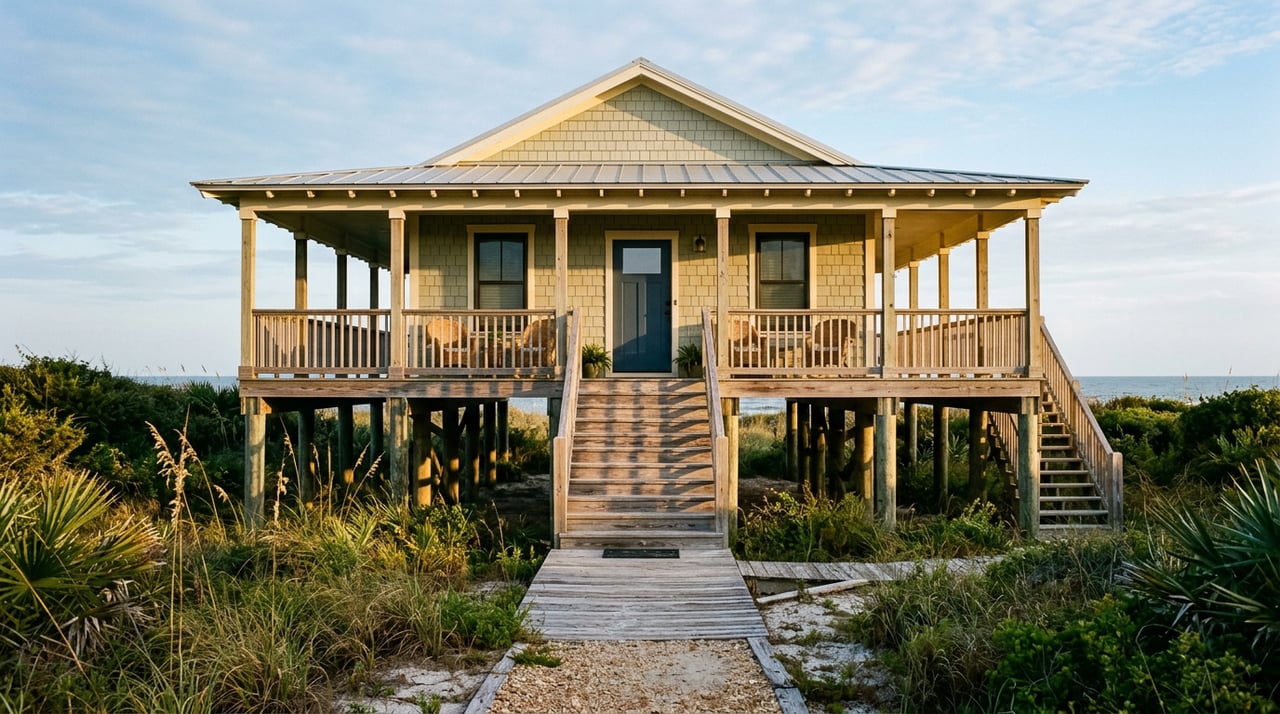
A second factor is storm and flood risk. Atlantic hurricane season runs from June 1 to November 30, and coastal buyers should understand flood risk, flood zones, coastal erosion, and whether flood insurance may be worth considering. In Wilmington, especially near water or lower-lying areas, storm planning is simply part of smart ownership.
How to Choose Your Version of Coastal Living
A simple framework can help you narrow your options.
- If you want daily beach time, focus on Wrightsville Beach or Carolina Beach.
- If you want a stronger city base with beach access nearby, look closely at downtown Wilmington.
- If you want a residential balance with convenient access to coastal amenities, Porters Neck and Autumn Hall deserve attention.
- If you are thinking about a second home or vacation rental path, location, seasonality, and ease of access become especially important.
The beauty of Wilmington is that you do not have to leave the area to change your lifestyle mix. You can find a neighborhood that fits how you actually want to live, whether that means morning walks by the river, weekends by the ocean, or a blend of both.
If you are exploring Wilmington and want local guidance on where that balance feels right for you, Lumina Blue Properties can help you compare neighborhoods, navigate the buying or selling process, and evaluate opportunities for coastal living or vacation rental ownership with a boutique, high-touch approach.
FAQs
What makes Wilmington different from a typical beach town?
- Wilmington combines a riverfront downtown, year-round cultural amenities, major parks, transit options, healthcare access, and quick drives to nearby beaches.
Which Wilmington-area neighborhoods offer the best city-and-coast balance?
- Downtown Wilmington, Porters Neck, and Autumn Hall often offer the strongest balance for buyers who want city convenience with beach access nearby.
What should buyers know about Wrightsville Beach access?
- Wrightsville Beach has 44 designated public beach access locations, including ADA-accessible points, with parking management in place daily from March 1 through October 31.
What should buyers know about Carolina Beach parking and access?
- Carolina Beach offers a boardwalk-centered beach-town setting, about 3 miles of beach strand, and paid parking from March 1 through October 31, with public lots and some residential permit options.
Is Wilmington a good fit for relocation buyers?
- Wilmington can appeal to relocation buyers because it offers airport access, healthcare, higher education, public services, cultural events, and nearby beaches in one metro area.
What coastal risks should Wilmington buyers consider?
- Buyers should pay attention to hurricane season, flood risk, flood zones, and coastal erosion, especially when considering homes near water or in lower-lying areas.