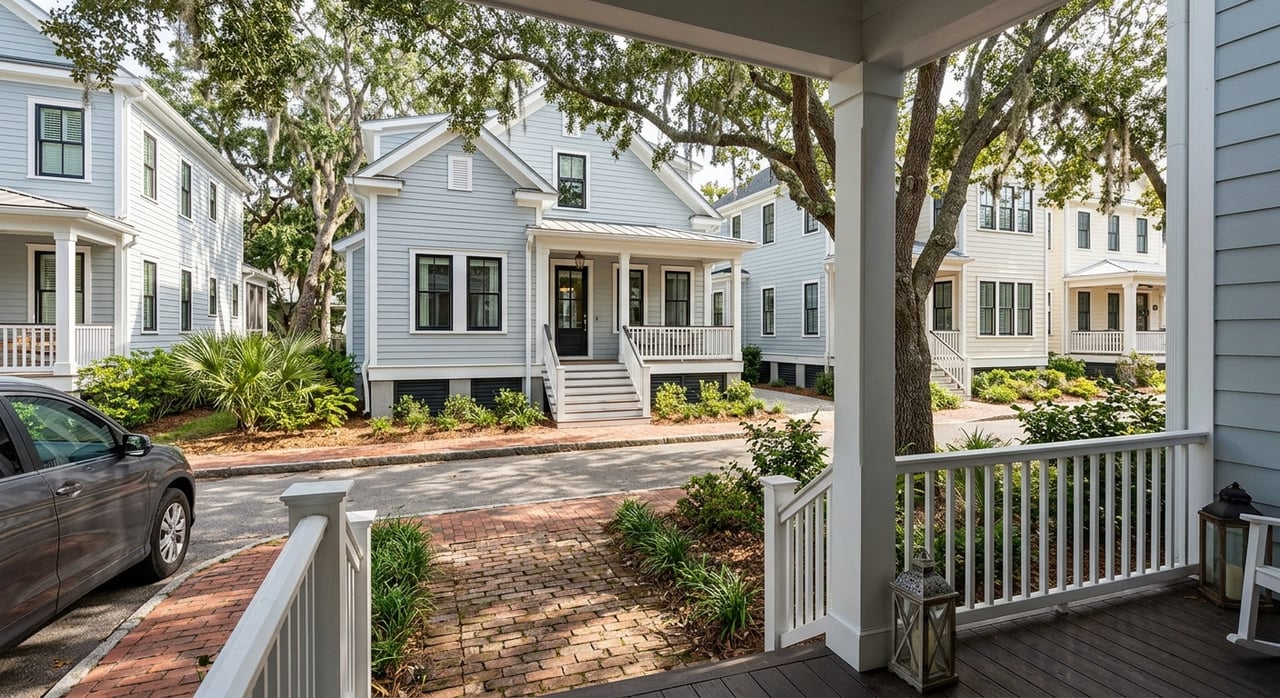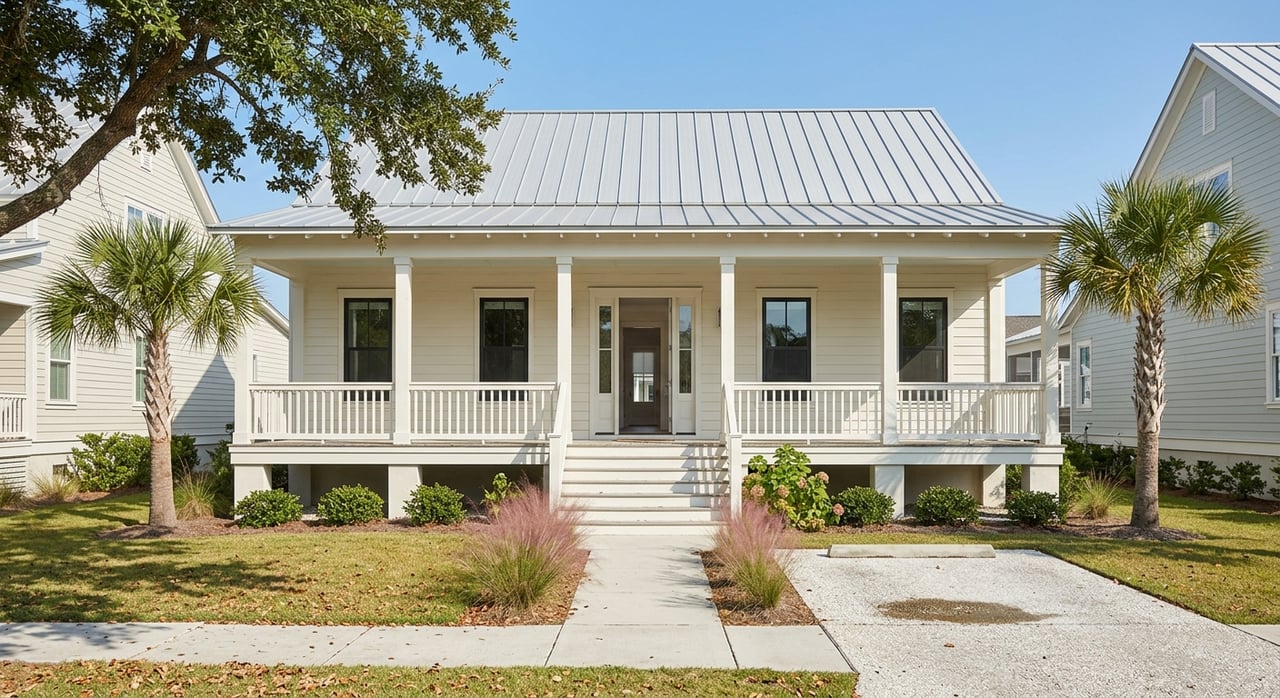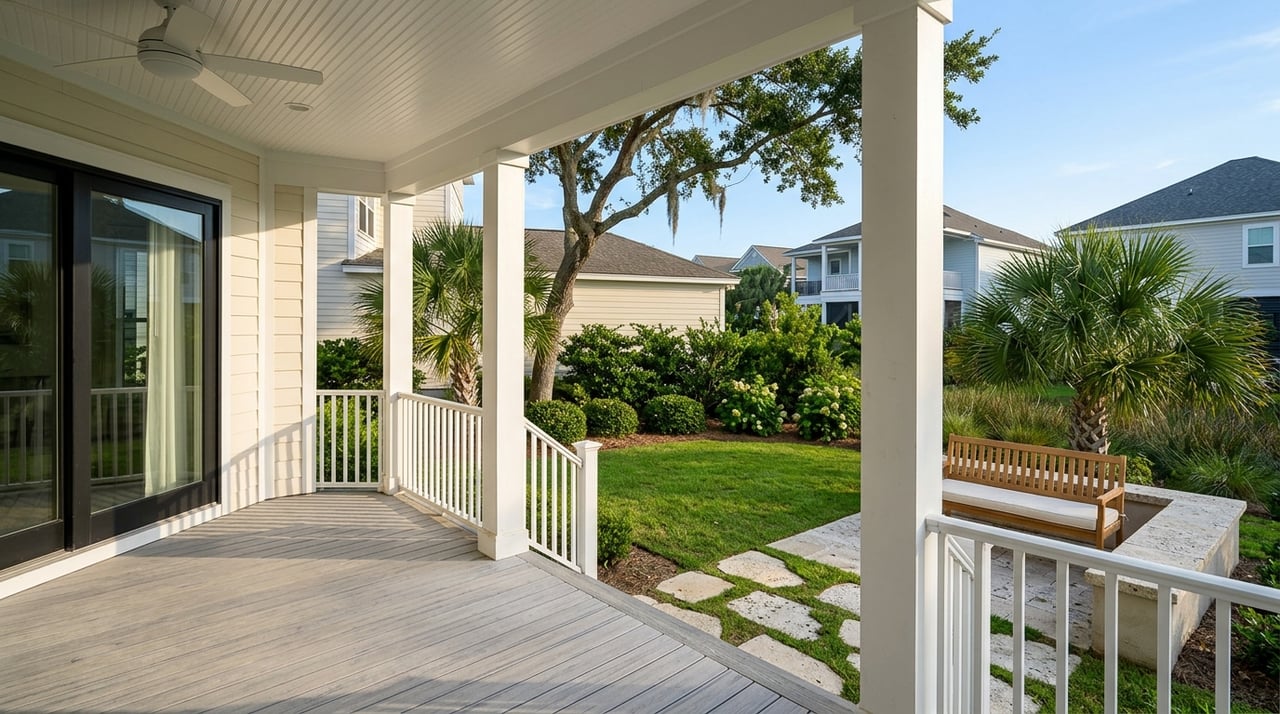
Thinking about turning a Carolina Beach property into a short-term rental? You’re not alone. With beach access, a classic boardwalk, and steady visitor traffic from nearby Wilmington and beyond, the area draws year-round interest. In this guide, you’ll learn how to evaluate demand, navigate rules, build a reliable revenue model, and set up operations that protect your investment. Let’s dive in.
Why Carolina Beach attracts STR guests
Carolina Beach’s draw starts with the shoreline, the Boardwalk, and easy access to boating and fishing. Carolina Beach State Park and local marinas add to the outdoor appeal. Proximity to Wilmington broadens the guest pool, including weekenders and seasonal visitors. Local festivals, holidays, and fishing tournaments often create short-term demand spikes.
Start with the rules
Confirm local ordinance and zoning
Before you run numbers, verify whether short-term rentals are allowed for your specific parcel. Check the Town of Carolina Beach municipal code and planning department for definitions, permitting or registration, occupancy limits, parking and noise requirements, and any minimum or maximum rental durations. Review the property’s zoning district to confirm STR use is permitted.
Review HOA or condo covenants
Many condos and subdivisions regulate or prohibit short stays. Get the governing documents and read them carefully. Look for minimum stay limits, guest parking rules, and enforcement procedures. If anything is unclear, request written clarification from the HOA.
Understand taxes and registrations
Most short-term rentals must collect and remit state and local sales or occupancy taxes. Confirm current tax rates and how to register with the appropriate state and local offices. Rental income is taxable, so speak with a tax professional about recordkeeping and deductions.
Line up the right insurance
Standard homeowner policies often exclude commercial STR activity. Seek quotes for specialty short-term rental or commercial dwelling policies with adequate liability protection. Because Carolina Beach is coastal, check FEMA flood zones, and obtain flood and wind or hurricane coverage as needed.
Understand demand and seasonality
Measure market demand
Use STR analytics tools to review active listing counts, average daily rate, occupancy rate, revenue per available rental, booking lead times, and seasonality. Supplement with marketplace searches to study comparable listings, calendars, and reviews. Local tourism metrics and hotel occupancy trends can help you see broader demand patterns.
Recognize peak and shoulder seasons
For many beach towns, summer and holiday weekends are typical peak periods. Spring and fall can serve as shoulder seasons with strong weekends. Off-season months may require discounts and flexible minimum stays. Validate the pattern with at least a year of data before finalizing your forecast.
Watch events and calendars
Recurring festivals, tournaments, and holiday weekends can produce meaningful rate and occupancy lifts. Track these dates and plan pricing, minimum stays, and staffing accordingly. Keep a calendar of lead times so you can raise rates as demand builds.
Analyze supply and comps
Pick true comparables
Identify 8 to 12 active short-term rentals within walking or easy driving distance of your target property. Match property type, bedroom and bath count, proximity to the beach or Boardwalk, and key amenities like parking, washer and dryer, and pet-friendliness. Note any standout features like a hot tub, elevator, or panoramic views.
Record the right metrics
For each comp, capture average daily rate by season, occupancy by month, revenue per available rental, review count and rating, minimum stay rules, cleaning and pet fees, and cancellation terms. Pay attention to parking details and any accessibility features that can widen your guest pool.
Map calendars and lead times
Study 12 to 24 months of booking calendars where possible. Separate owner blocks from market demand. Identify windows with fast pickups and note price changes ahead of high-demand weekends. Use this to set your own lead-time pricing rules.
Build a realistic revenue model
Key formulas to use
- Gross annual revenue = ADR × Occupancy × 365
- Net operating income (NOI) = Gross revenue − Operating expenses
- Cash flow before tax = NOI − Annual debt service
- Cash-on-cash return = Annual cash flow ÷ Total cash invested
- Break-even occupancy = (Annual fixed costs + Debt service) ÷ (ADR × 365 − Variable cost per occupied night)
Budget all expenses
Include utilities, routine maintenance, landscaping, pool service if applicable, cleaning per stay, laundry, restocking, management fees, booking platform fees, and marketing. Add administrative costs like accounting, licensing, and legal compliance. Reserve for capital items such as roof, HVAC, and appliances, plus property taxes, sales or occupancy taxes, STR insurance, flood and wind coverage, and any HOA dues or special assessments.
Use a monthly seasonality model
Project ADR and occupancy month by month for at least 12 months. Subtract variable costs per occupied night and fixed monthly costs. Run three to four scenarios: conservative, baseline, optimistic, and a stress test that includes hurricane-related vacancy. Avoid relying on a single peak month to justify the purchase.
Pricing and revenue strategy
Establish base rates for peak, shoulder, and off-season based on comps and your amenities. Use dynamic pricing tools to adjust rates as demand shifts and to manage minimum stays. Consider thoughtful add-ons such as pet fees, late checkouts, or beach gear. Keep fees transparent to maintain guest trust and strong reviews.
Operations that protect reviews and revenue
Decide how you will manage
Self-managing can improve margins, but it requires time, systems, and rapid response to issues. Full-service management typically ranges from 15 to 40 percent of revenue and can include pricing, guest communication, cleaning coordination, and maintenance oversight. Choose the model that best supports consistency and guest care.
Build reliable systems
Adopt a booking or channel manager, automated messaging, keyless entry, and integrated calendars. Maintain a 24/7 guest contact plan with clear response times. Track tasks for turnovers and maintenance, and keep clean financial records for tax reporting and owner statements.
Invest in guest-ready amenities
Prioritize what moves the needle: proximity to the beach, assigned parking, reliable Wi-Fi, quality linens, a well-stocked kitchen, and in-unit laundry. Family-friendly and pet-friendly options can widen demand but may raise wear and insurance needs. Unique features like a hot tub or elevator can support premium pricing when marketed well.
Mitigate coastal risks
Weather and hurricanes can disrupt operations. Maintain an emergency plan, storm-proof the property where practical, and keep adequate reserves and insurance. Confirm flood zones, elevation, and any erosion risks. Set house rules to reduce noise and parking issues, and consider privacy-safe noise monitoring to prevent complaints.
Due diligence checklist
Use this quick list when evaluating a specific property:
- Verify STR allowance with the Town of Carolina Beach and confirm the parcel’s zoning.
- Review HOA or condo rules for any rental restrictions or minimum stays.
- Pull parcel data for flood zone, elevation certificate, permit history, tax assessments, and utilities.
- Run comps and extract ADR, occupancy, and seasonality from STR analytics.
- Obtain insurance quotes that include STR use, flood, wind, and liability.
- Estimate all operating costs and model baseline, conservative, and stress scenarios.
- Confirm parking availability and any municipal parking rules.
- Inspect major systems and structure to forecast capital needs.
- Register for required sales and occupancy tax collection and remittance.
Local guidance from a coastal team
Evaluating a short-term rental in Carolina Beach is part art and part data. You need clear rules, real market comps, a seasonality-based budget, and an operating plan that protects both revenue and reputation. A local, hospitality-focused partner can help you de-risk decisions and position your property for strong performance.
If you’re weighing a purchase, planning to rent an existing home, or considering a sale to another investor, our team can guide you from valuation to operations. We combine neighborhood expertise with hospitality-grade management so you can move with confidence.
Ready to explore your options or walk through a property-specific model? Reach out to the coastal experts at Lumina Blue Properties for a personalized consultation.
FAQs
Are short-term rentals allowed in Carolina Beach?
- It depends on your parcel’s zoning, the current town ordinance, and any HOA rules. Confirm with the Town of Carolina Beach and review your community’s governing documents before moving forward.
What months are typically busiest for Carolina Beach STRs?
- Many beach markets see peak demand in summer and on holiday weekends, with spring and fall shoulder seasons. Verify with at least 12 months of STR analytics and local tourism data.
How much should I budget for full-service management?
- Full-service short-term rental management commonly ranges from 15 to 40 percent of revenue. Compare inclusions like pricing, guest support, cleaning coordination, and maintenance.
What insurance do I need for a coastal STR?
- Most owners need a specialty STR or commercial dwelling policy with strong liability limits, plus flood and wind or hurricane coverage as required by the property’s location and lender.
How do sales and occupancy taxes work for STRs?
- Short-term rentals typically must collect and remit state and local sales or occupancy taxes. Register with the appropriate tax offices and maintain detailed records. Rental income is taxable.
How do I find my break-even occupancy?
- Use the formula: Break-even occupancy = (Annual fixed costs + Debt service) ÷ (ADR × 365 − Variable cost per occupied night). Plug in your own ADR and cost assumptions for accuracy.