If you have ever looked at your Carolina Beach home and wondered whether it could do more than sit empty between visits, you are not alone. Many owners want to enjoy the coast for themselves while also creating income from a second home, but turning a beach property into a managed rental takes more than posting photos and picking a nightly rate. This guide walks you through the local market, the rules that matter, and the operational choices that can help you make a smart plan. Let’s dive in.
Why Carolina Beach Works for Rentals
Carolina Beach sits in a tourism-driven part of New Hanover County, and that matters if you are thinking about short-term rental income. In 2024, the county reported $1.14 billion in visitor spending, marking a third straight year above $1 billion. County materials also said travel and tourism directly supported 7,003 jobs.
That bigger picture helps explain why vacation rentals are a familiar part of the local economy. Carolina Beach is part of a destination area known for its shoreline, events, live music, and boardwalk atmosphere. For you as an owner, that means a second home here can be evaluated as both a personal retreat and a property with income potential.
County occupancy-tax materials also show that tourism revenue helps support beach nourishment and tourism promotion. That does not guarantee performance for any one home, but it does show that short-term lodging is woven into how this coastal market functions. In other words, a managed rental is not unusual here. It is part of the local landscape.
Start With Use and Compliance
Before you think about furniture, pricing, or listing photos, confirm that your home can legally operate as a short-term rental. In Carolina Beach, that means checking your parcel’s zoning, reviewing any HOA covenants, and confirming whether local business registration applies. You should not assume every home is automatically approved for vacation-rental use.
Carolina Beach requires annual business registration for businesses with a physical location in town, with a due date of July 1. The town code also separates lodging uses in its definitions, which is one more reason to verify how your property fits local requirements. This early step can save you time, money, and frustration later.
For many owners, this is where professional guidance becomes valuable. A managed rental is not just a marketing project. It is also a compliance process that needs to be set up correctly from the start.
Understand North Carolina Rental Rules
If you plan to rent your Carolina Beach home for fewer than 90 days for vacation, leisure, or recreation purposes, North Carolina’s Vacation Rental Act likely applies. The Act covers residential property rented by someone who has another primary residence, and it applies to landlords and licensed real estate brokers who manage these rentals.
One of the most important requirements is a written vacation-rental agreement. That agreement must include a clear notice that it is governed by the Vacation Rental Act. It can also address items like advance payments, processing fees, and cleaning fees.
This matters because a managed rental is more formal than many first-time owners expect. You are not simply handing over a key and collecting payment. You are entering a regulated contract process with specific rules around disclosures, deposits, advance rent, and refunds.
Plan for Taxes and Reporting
Taxes are a major part of the setup, and they should be built into your pricing from day one. According to the North Carolina Department of Revenue, accommodation rentals are subject to state and local sales-and-use tax, plus any local occupancy tax. In New Hanover County, the total sales-and-use tax is 7%, and Carolina Beach’s room occupancy tax is 6%.
That means your rental revenue is not just about the nightly rate. The tax base can also include many guest-facing charges such as cleaning fees, linen fees, reservation or processing fees, damage fees, pet fees, extra-person charges, and accommodation-facilitator fees. If you are building a pro forma for your property, these details matter.
New Hanover County also requires monthly room-occupancy-tax reports by the 20th day after the reporting month. For owners, this is one more reminder that running a vacation rental involves ongoing administration. Good management includes tracking income correctly and staying current on filing requirements.
Get the Home Guest-Ready
Once the legal and tax foundation is in place, it is time to prepare the home for guests. The goal is simple: help people understand what it feels like to stay there and make the property easy to use from the moment they arrive. That means the home should be set up around the guest experience, not only your personal preferences.
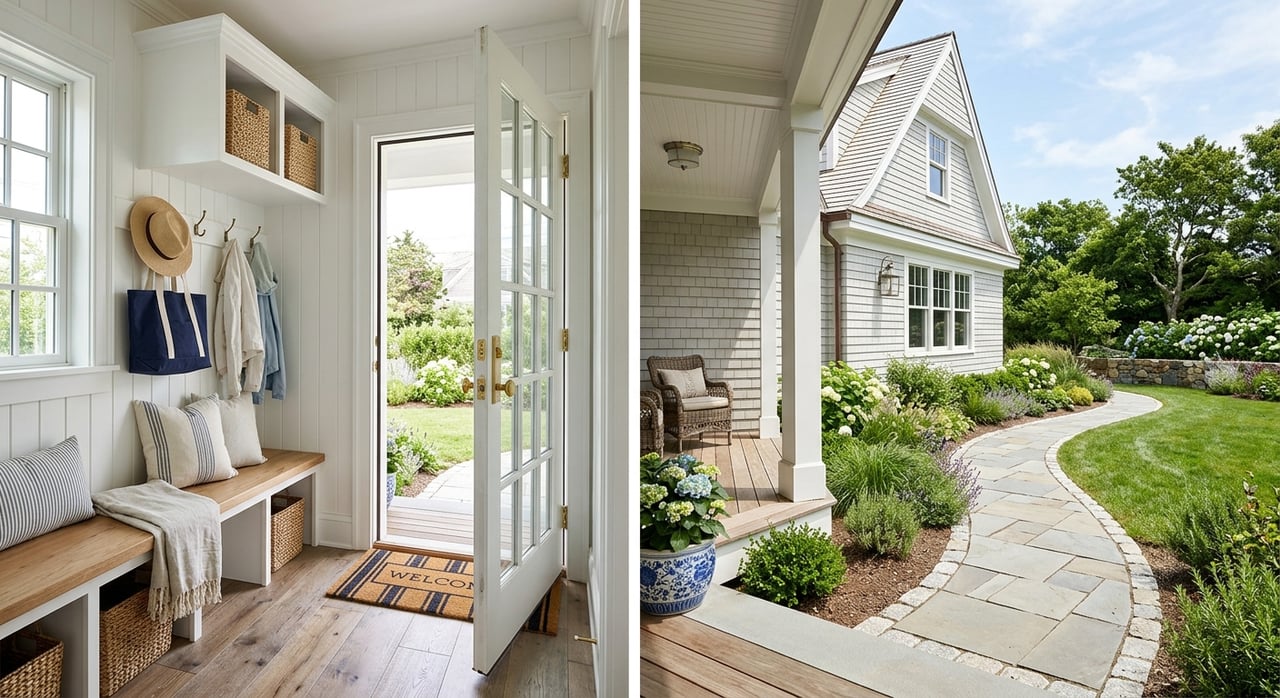
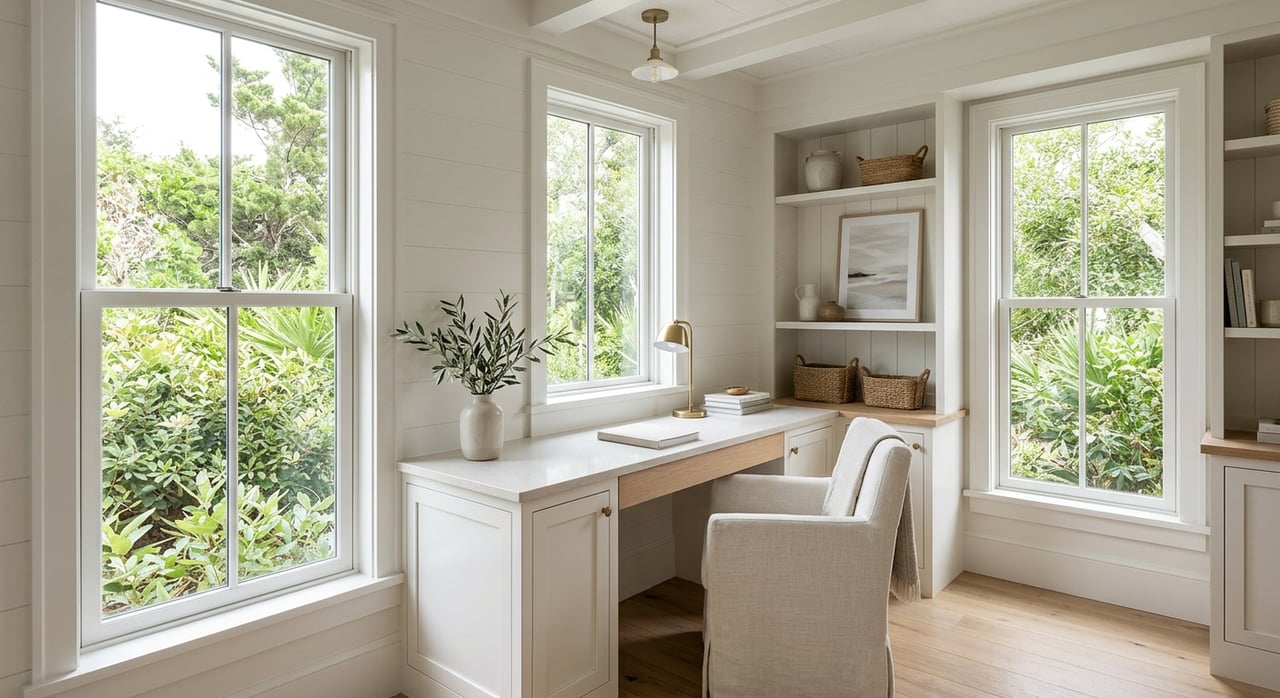
High-quality photos and a complete amenity list are some of the most important parts of a listing. Guests want to see every space they can access, and they often filter their search for features like Wi-Fi, a kitchen, air conditioning, washer and dryer, parking, and self check-in. A beach home that looks bright, organized, and easy to enjoy has a stronger starting point.
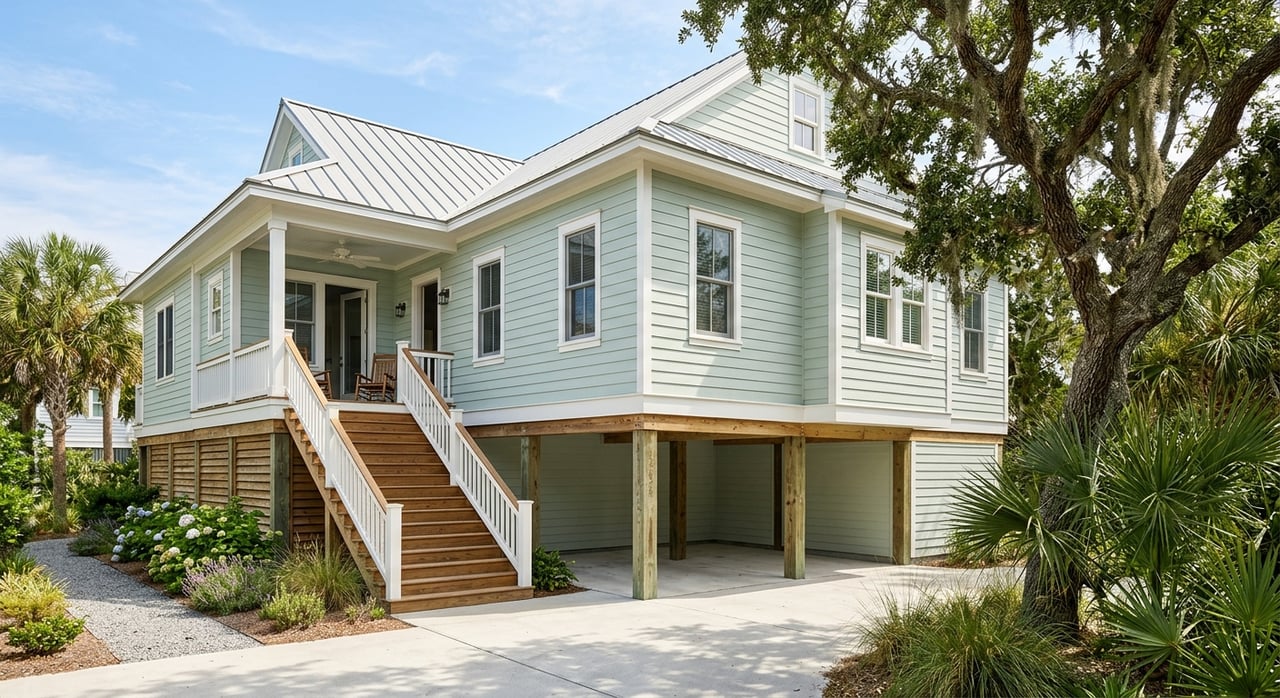
Professional photography can be especially useful in Carolina Beach, where layout, natural light, and outdoor lifestyle features can shape first impressions quickly. It is smart to finish updates, furnishing, and styling before photos are taken. That way, your listing reflects the final guest experience rather than a work in progress.
Focus on Safety and Durability
A rental home should feel inviting, but it also needs a dependable operational setup. The North Carolina Office of State Fire Marshal recommends testing smoke alarms monthly and replacing smoke alarms that are 10 years old or older. The office also notes that carbon-monoxide alarms are required in one- and two-family dwellings and townhouses with fuel-burning appliances or attached garages.
For you, that means safety should be treated as a baseline requirement, not an optional upgrade. A home fire-escape plan, clearly working alarms, and a well-maintained property help support a smoother guest experience. These are simple steps that protect both people and property.
Durability matters just as much. Easy-clean surfaces, sturdy furnishings, enough bedding and towels for turnover, and clear instructions for appliances and Wi-Fi can make day-to-day operations easier. In a beach market, practical choices often hold up better over time and reduce wear-related headaches.
Build a Smarter Pricing Strategy
Pricing is not something you set once and forget. Demand can change with the season, local events, length of stay, and competing inventory. If you want your home to perform well, pricing should be reviewed regularly.
Airbnb’s host guidance notes that rates can be edited at any time, compared with similar listings, and adjusted using automated pricing tools that consider many listing and area factors. Whether you self-manage or hire help, the key idea is the same: treat pricing as an active strategy. A static rate can leave money on the table or reduce booking momentum.
That is especially important in a coastal market where patterns shift throughout the year. Owners who monitor rates and availability more closely are usually in a better position to respond to market changes. Good revenue management is part of good property management.
Don’t Underestimate Guest Communication
One of the biggest hidden workloads in vacation-rental ownership is communication. Guests ask questions before booking, need arrival details before check-in, and may reach out during the stay if something comes up. Quick, clear responses can affect reviews, repeat bookings, and how smoothly the calendar runs.
Airbnb’s hosting guidance points to the value of fast replies, notifications, scheduled messages, and a thorough house manual. In practical terms, that means a well-managed home needs a system for booking questions, check-in instructions, checkout reminders, and issue resolution. Hospitality matters here just as much as the property itself.
If you live nearby and have the time, you may be comfortable handling that yourself. If you do not, communication can quickly become the reason many owners look for full-service support. A managed rental should feel professional to the guest from first inquiry to final review.
Know the Difference Between Self-Managing and Full Service
Self-managing can work for some owners, especially if you are local, organized, and ready to stay involved. You may be able to handle listing setup, calendar updates, guest messages, cleaning coordination, and on-site needs on your own. But that approach takes consistency and time.
Professional management can reduce the operational load in a meaningful way. It can help with marketing, guest communication, turnover coordination, pricing oversight, and day-to-day problem solving. For absentee owners or anyone who wants a more hands-off experience, that support can be the difference between a stressful side project and a streamlined asset.
North Carolina also adds another layer of responsibility with required human-trafficking awareness training for certain vacation-rental managers and staff for rentals offered for lease on or after July 1, 2025. That is one more reason owners should think carefully about who is handling operations and compliance. The right setup is not just about convenience. It is about doing the job correctly.
Why Local Management Can Matter
Carolina Beach is not a generic rental market. It is a coastal market with seasonal demand, local rules, and guest expectations shaped by beach travel. That is why local knowledge can make a difference when you are deciding how to position, operate, and maintain your home.
Lumina Blue Properties brings together buyer representation, seller services, home valuation, and hospitality-minded short-term rental management. For owners and near-term buyers, that creates a more connected approach. You can evaluate a property not only as a home, but also as a potential income-producing asset with ongoing operational support.
That kind of integrated model can be especially useful if you are still deciding whether to buy, hold, rent, or eventually sell. Instead of piecing together separate vendors, you can work with one local team that understands both the real estate side and the hosting side. For many coastal owners, that can simplify the full ownership cycle.
If you are thinking about turning your Carolina Beach home into a managed rental, the best first step is to look at the property through both a market lens and an operations lens. The right plan starts with facts, local fit, and a realistic view of the workload. When you are ready for a tailored strategy, Lumina Blue Properties can help you evaluate your options with a local, hospitality-minded approach.
FAQs
Can a Carolina Beach second home be rented short-term?
- Yes, if the property’s zoning and any HOA rules allow it and the rental complies with North Carolina’s Vacation Rental Act requirements.
What taxes apply to a Carolina Beach vacation rental?
- Owners should plan for New Hanover County’s 7% sales-and-use tax and Carolina Beach’s 6% room occupancy tax, with many guest-facing fees also included in the taxable amount.
Does a North Carolina vacation rental need a written agreement?
- Yes. The Vacation Rental Act requires a written vacation-rental agreement with specific notices and fee or deposit terms.
Is professional management required for a Carolina Beach rental home?
- Not by default, but professional management can reduce the workload tied to pricing, guest messaging, turnover coordination, and compliance tasks.
What features help a Carolina Beach rental listing stand out?
- Strong listing photos, a complete amenity list, and clear presentation of features like Wi-Fi, kitchen access, air conditioning, parking, washer and dryer, and self check-in can help guests compare your home more easily.