Picture this: Friday traffic fades, salt air fills the car, and your weekend starts on the Riverwalk or with toes in the sand. If a second home in Wilmington has been on your mind, you are not alone. You want easy beach access, a simple plan for costs and risk, and clear answers about renting. This guide gives you a neighborhood-by-neighborhood view, real-world cost factors, risk checks, and a step-by-step path to a confident purchase. Let’s dive in.
Why choose Wilmington
Wilmington pairs a lively historic riverfront with quick access to barrier-island beaches. You can choose between walkable downtown living, beachfront condos and cottages, or creek and soundfront homes with protected water access. Many buyers value the area’s drive-in convenience via I-40 and flights into Wilmington International Airport, then build a routine around surfing, boating, dining, and local events.
Neighborhood snapshots and tradeoffs
Downtown Wilmington / River District
Downtown centers on the Riverwalk, restaurants, and arts. You get year-round amenities and strong resale appeal, plus a short drive to the beaches. Homes may have less private outdoor space and some older structures can lack modern flood mitigation. Street parking and building age are common considerations.
Barrier-island beaches
- Wrightsville Beach. Known for surfing, boating, and an active beach scene with a mix of single-family homes and condos. Expect HOA or condo rules and higher wind and flood exposure.
- Carolina Beach. Features a classic boardwalk and seasonal attractions, often at lower price points than Wrightsville. Popular for summer rentals and easy access to dining and entertainment.
- Kure Beach. Quieter and close to natural areas and Fort Fisher, with a slower pace and strong seasonal appeal.
- Figure Eight Island. A private, gated island with limited public access and a high-end market.
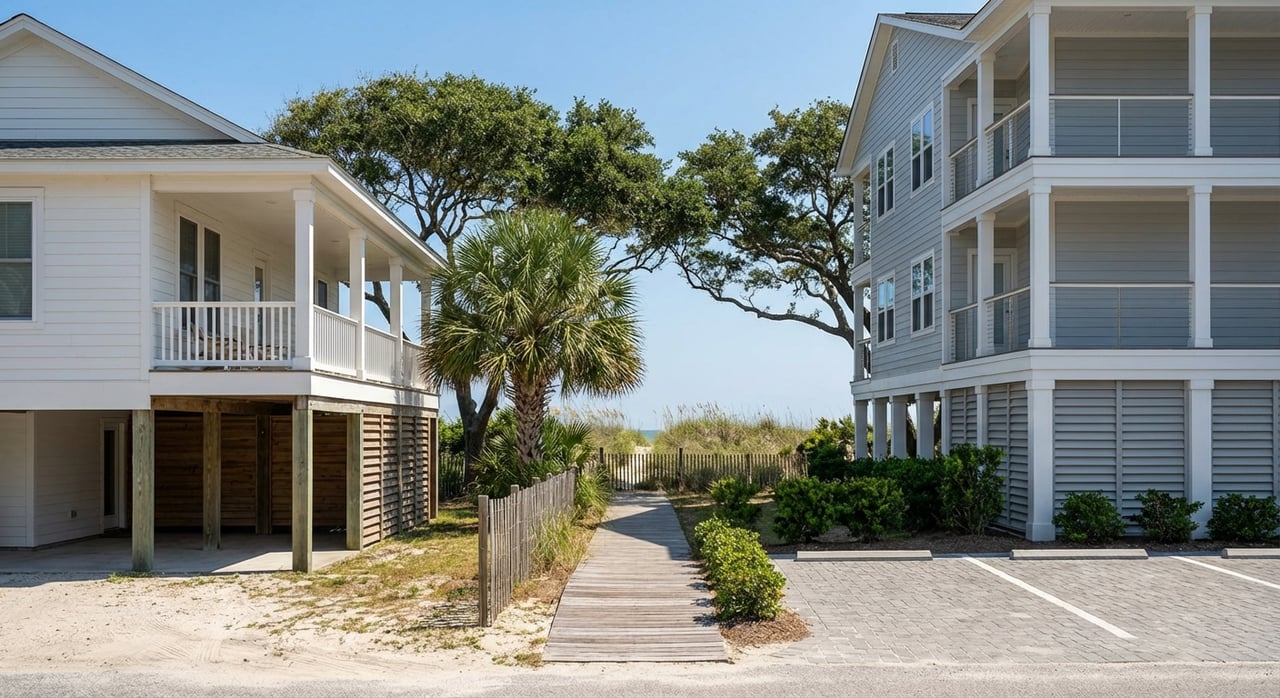
Barrier islands offer direct beach access and strong seasonal rental demand in many pockets. Tradeoffs include higher hurricane, wind, and flood risk, along with HOA restrictions and evacuation logistics to plan for during storms.
Masonboro Sound and inland waterfront
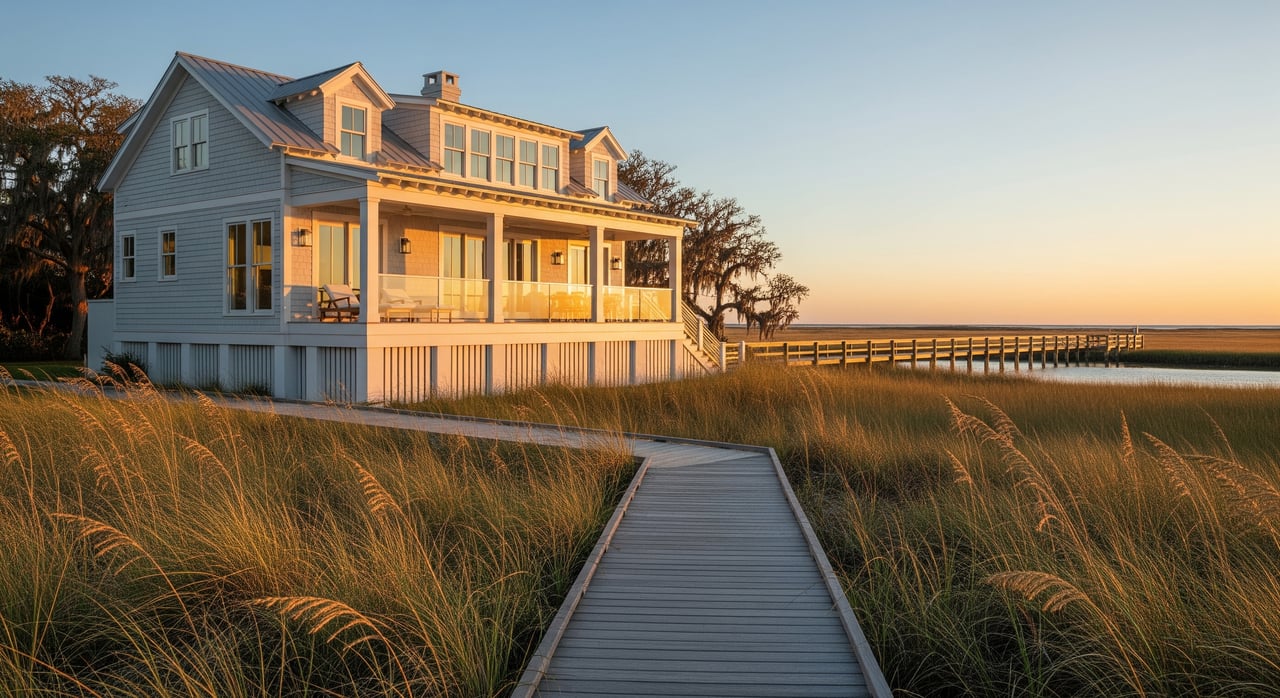
Creek and soundfront areas like Masonboro, Ogden, and Landfall offer boating and fishing on more protected waters. You often find larger lots, privacy, and a blend of coastal and in-town living. Some parcels sit in tidal flood zones and may need flood insurance. Sewer versus septic can vary by property.
Suburban coastal communities
If you want more space and a lower price point, look inland from the beaches. You trade a longer drive to sand and downtown for bigger yards, less surge exposure, and neighborhood amenities that fit a simpler lifestyle.
What it really costs to own
Build a simple, line-by-line annual budget so you can compare homes apples to apples.
- Mortgage payments based on second-home or investment underwriting.
- Property taxes using the New Hanover County tax assessor.
- Homeowner’s insurance plus possible wind coverage, often with hurricane deductibles.
- Flood insurance if the home sits in a Special Flood Hazard Area. Elevation and building features matter.
- HOA or condo dues on islands and in planned communities. Gated neighborhoods can run higher.
- Maintenance and utilities. Salt air speeds wear on paint, roofs, and HVAC. Docks, dunes, and beach access add care.
- Property management and rental operations if you plan to rent. Include management fees, cleaning, supplies, and utilities.
A helpful tactic is to express costs in dollars per year and as a percentage of purchase price. That makes it easier to compare an island condo versus a creekfront home.
Financing and taxes
Lenders treat homes as a primary residence, a second home, or an investment property. Minimum down payments, rates, and underwriting often differ by category. Confirm how your lender will classify your purchase before you shop.
Tax rules vary, especially if you rent. Talk with a CPA about mortgage interest deduction limits, how rental income is taxed, and expense deductions. Under current IRS guidance, if you rent a dwelling unit for fewer than 15 days in a year, that income is generally not taxable. Always confirm the latest details directly with the IRS.
Flood, wind, and hurricanes
Coastal risk is part of owning near the water. You can make it manageable with a few smart checks.
- Map the property’s flood zone using the FEMA Flood Map Service Center. Ask for an Elevation Certificate if needed.
- Review long-term exposure and planning context with the NOAA Sea Level Rise Viewer.
- Compare insurance quotes and mitigation options through the North Carolina Department of Insurance. Premiums can vary widely by elevation, construction, and location.
- Track storm guidance during hurricane season with National Hurricane Center updates.
Higher finished-floor elevation and wind mitigation improvements can reduce both risk and premiums. The right inspection team and insurance broker are worth it.
Renting your second home
Short-term rental rules differ by city and town, and some HOAs restrict or prohibit rentals. Before you buy, confirm:
- Local licensing or registration, occupancy limits, inspections, and noise rules.
- HOA documents for rental limits.
- Transient occupancy tax registration and collection steps.
Start your research on the City of Wilmington’s official site, the Town of Wrightsville Beach, and the Town of Carolina Beach. If you have a specific address in mind, call the local planning or permitting office to verify current requirements.
A simple decision checklist
Use this step-by-step framework to narrow choices and protect your budget.
- Define goals and use. Decide if your main aim is lifestyle, rental income, appreciation, or a mix. Estimate personal-use days by season.
- Set budget and financing. Get pre-approved and confirm second-home versus investment terms. Build a yearly cost model.
- Plan for risk. Check FEMA maps and elevation. Get quotes for home, wind, and flood. Consider mitigation upgrades.
- Confirm regulations. Verify city or town rental rules, plus any HOA restrictions. Understand occupancy tax obligations.
- Choose neighborhoods. Visit during peak summer and off-season. Check drive times from your primary home and airport access.
- Plan operations. If renting, interview managers and compare fees. Set cleaning, maintenance, and storm-response plans.
- Align taxes. Speak with a CPA about interest deductions, rental income, depreciation, and IRS personal-use rules.
- Offer and inspect. Use inspectors with coastal experience. Consider a survey focused on elevation and shoreline conditions.
For current market snapshots and trends, review local reports from Wilmington–Cape Fear REALTORS.
Mainland or island
- Choose a barrier island if beach access is your top priority and you are comfortable with higher wind and flood exposure, HOA rules, and seasonal crowds. Seasonal rental demand can be strong in many pockets.
- Choose creek, soundfront, or in-town options if you prefer protected boating, quick access to daily amenities, and potentially lower carrying costs in some locations. You can still reach the sand in a short drive.
How Lumina Blue Properties helps
Buying a second home at the coast is easier with one partner from search to hosting. As a Wilmington-based boutique brokerage, we offer buyer representation, neighborhood-level guidance, and hospitality-grade short-term rental management under one roof. That means you can identify the right area, price the full cost of ownership, and launch a professional rental operation without juggling vendors.
Ready to explore the right beach, creek, or downtown fit for your second home? Connect with Lumina Blue Properties for local insight, a clear plan, and white-glove support.
FAQs
How much does flood and wind insurance cost for a Wilmington second home?
- Costs vary widely by flood zone, elevation, and construction details, so get property-specific quotes and consider mitigation steps that can reduce premiums.
Can I do short-term rentals at a second home in Wilmington or the nearby beaches?
- Rules differ by jurisdiction and HOA, so verify current requirements with the city or town and review community covenants before you buy.
What is the best area for a Wilmington second home if I want boating access more than beach frontage?
- Creek and soundfront neighborhoods like Masonboro and Ogden, and communities such as Landfall, often offer protected waters with quick access to in-town amenities.
How do I check a property’s flood zone and elevation in New Hanover County?
- Use the FEMA Flood Map Service Center and request an Elevation Certificate from the seller or a surveyor to understand risk and insurance needs.
What financing differences should I expect on a coastal second home versus an investment property?
- Lenders set different down payments, rates, and underwriting for second homes and investment properties, so confirm classification early with your lender and plan your budget accordingly.