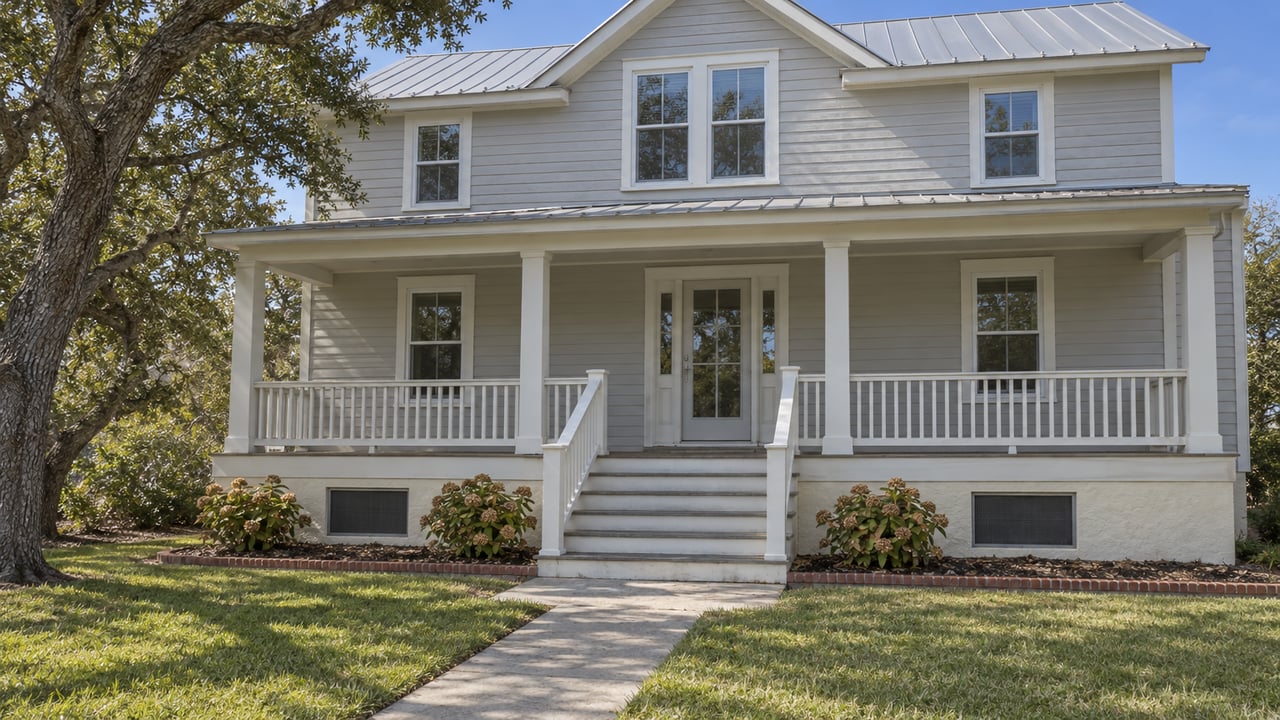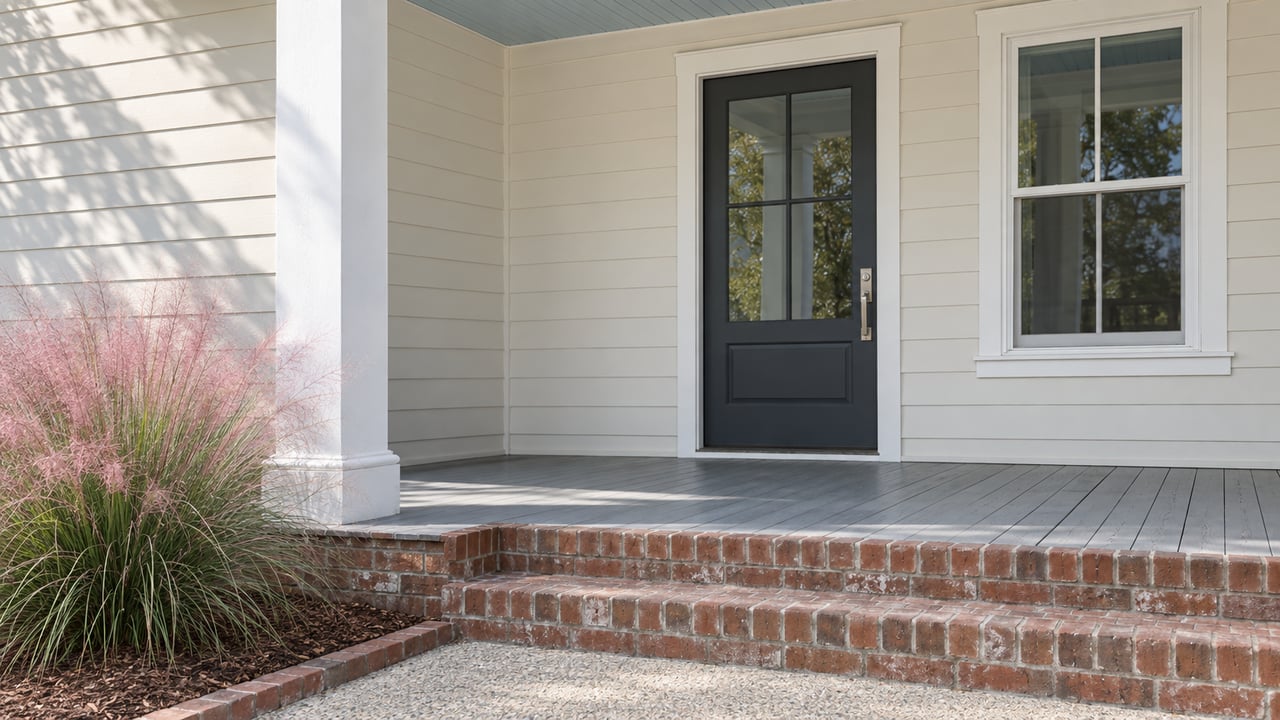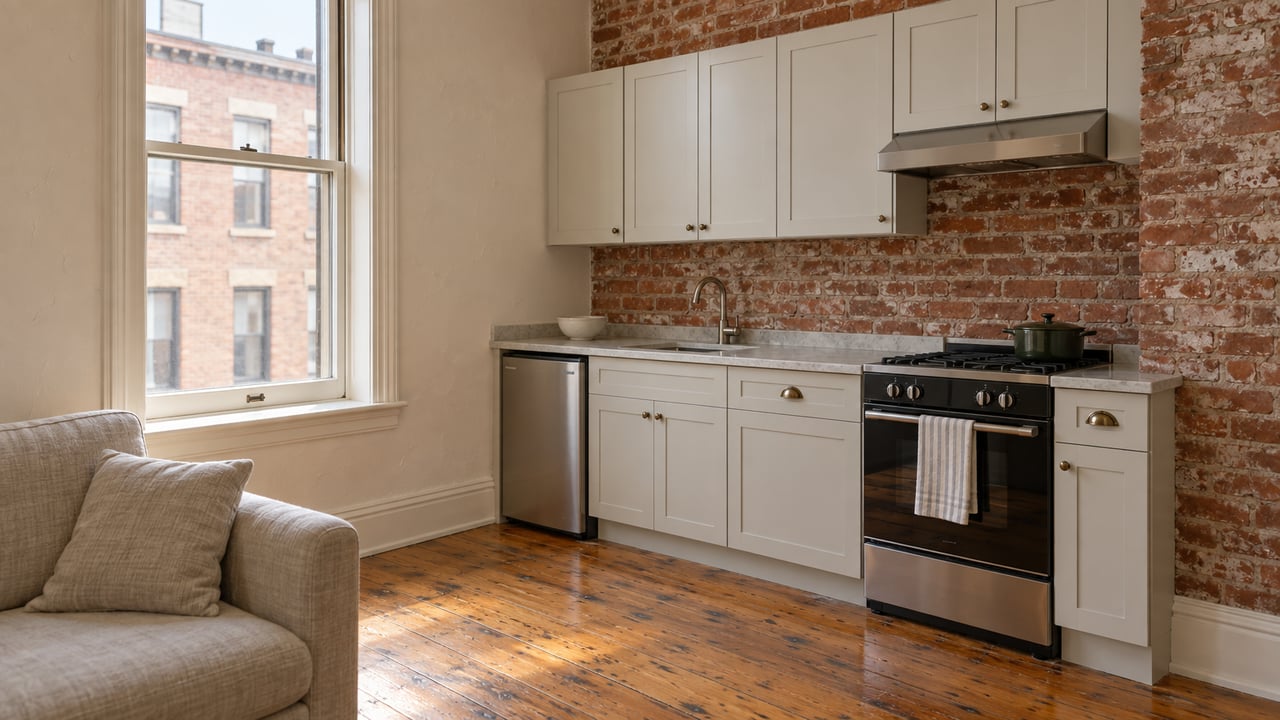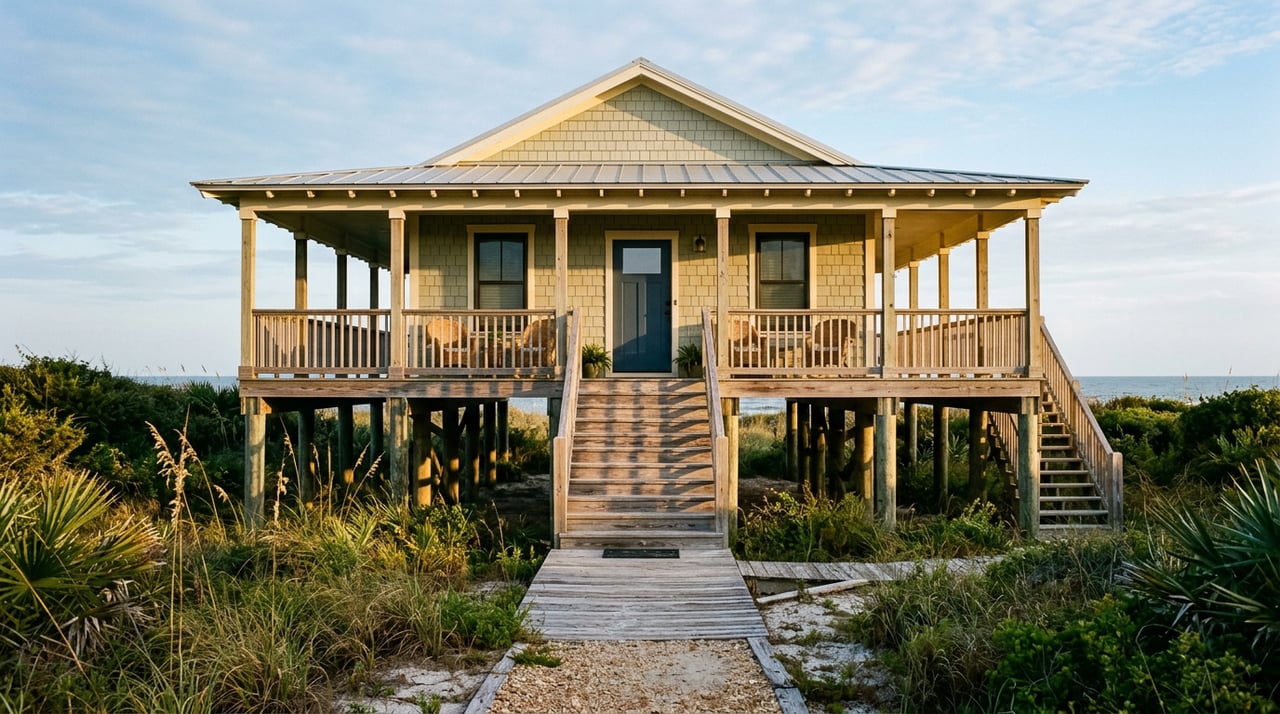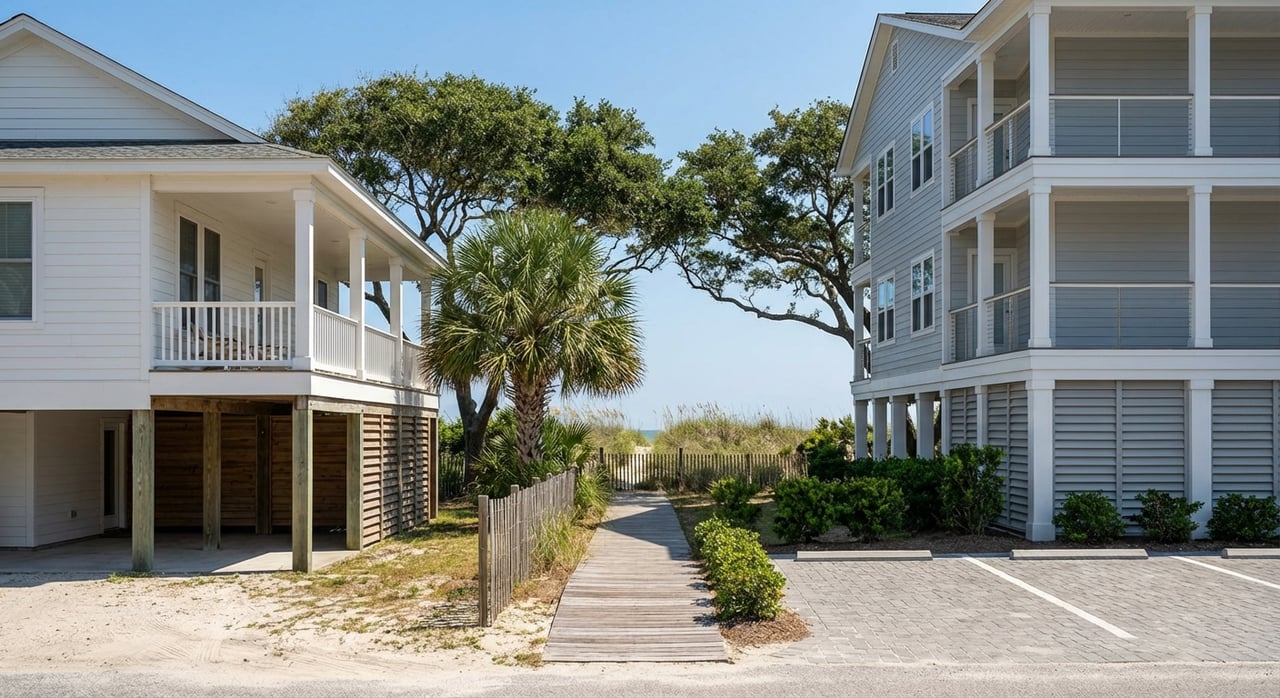
Trying to choose between a low‑maintenance condo steps from the Boardwalk and a classic Carolina Beach cottage with a porch and private drive? You are not alone. Both options deliver that sun‑and‑salt lifestyle, but they live differently, cost differently, and perform differently if you plan to host guests. In this guide, you will learn the key tradeoffs for condos and cottages in Carolina Beach so you can buy with confidence. Let’s dive in.
Quick take: condo vs. cottage
When a condo fits best
- You want a lock‑and‑leave setup with exterior items handled by an association.
- You value assigned parking, shared amenities, and walkability near the Boardwalk.
- You are comfortable budgeting for HOA dues and potential special assessments.
When a cottage fits best
- You want private outdoor space, your own driveway, and control over upgrades.
- You prefer no HOA governance or rules on daily use and décor.
- You are ready to manage exterior upkeep in a coastal environment.
The Carolina Beach backdrop
Carolina Beach is an active island market with steady demand for both single‑family homes and condos. Recent snapshots show a median sale price near the mid‑six‑hundreds as of early 2026, with normal seasonal shifts. Lifestyle drivers include the Boardwalk District and town‑programmed events that keep the area lively for owners and guests. If you want a feel for the core scene, explore the town’s overview of the Boardwalk District.
If you plan to host, third‑party data shows a healthy short‑term rental market, with occupancy often in the 50 to 60 percent range and higher summer rates. You can browse a snapshot of local occupancy and ADR from Airbtics’ Carolina Beach profile. The town’s shoreline also benefits from ongoing Coastal Storm Risk Management and nourishment cycles that help maintain beach width. For context on regional funding and timing, see the Coastal Review report on nourishment for New Hanover towns.
Finally, parking shapes daily life and guest stays. Carolina Beach operates a seasonal paid parking program, which affects street and lot availability for owners and visitors. Review the town’s parking program details so you know what to expect March through October.
Ownership and ongoing costs
Condos: HOA coverage and predictability
With a condo, you typically own the interior of your unit plus a share of the common elements. The association manages building systems like roofs, siding, elevators, pools, and grounds per the governing documents and budget. That setup streamlines life for second‑home owners, since many recurring chores and portions of insurance are wrapped into the HOA.
The tradeoff is exposure to HOA dues, fee increases, and potential special assessments when major repairs arise. Before you commit, request the governing documents, current budget, reserve study, meeting minutes for the last 12 to 24 months, parking allocations, and any notices of planned capital work. These items show how well the building is funded and if large projects are coming.
Cottages: Control and hands‑on care
A detached cottage gives you fee‑simple ownership of the land and structure, which means control over upgrades and finishes. You also take on every exterior bill and task. In a salt, sun, and wind environment, expect more frequent maintenance for paint, decks and rails, metals, and HVAC. Budget time and money for preventive care, especially if the home is close to the ocean.
There is no master policy or shared reserve to lean on, so strong vendor relationships and a realistic maintenance plan go a long way. If you plan to host, you set the house rules and schedule without HOA approval unless there are recorded neighborhood covenants.
Insurance and flood essentials
Flood zones and elevation
Carolina Beach participates in the National Flood Insurance Program. Your lender and insurer will look at the FEMA Flood Insurance Rate Map, the base flood elevation, and any existing elevation certificate. It is smart to verify whether a property sits in an A, AE, or VE zone and to request elevation documentation early. Start with FEMA’s North Carolina community status and resources page.
Condos: Master policy and HO‑6
In most condo buildings, the association carries a master policy for structural and common elements. In Special Flood Hazard Areas, many associations also carry a Residential Condominium Building Association Policy, which is an NFIP product for buildings. As the buyer, you would typically secure an HO‑6 policy that covers interior finishes and personal property. Always confirm whether the association’s policy is “bare walls” or “all‑in,” and whether flood coverage is in place for the building. For a clear primer on these distinctions, review this overview of condo and flood coverage basics.
Cottages: Separate wind and flood
For a detached home, you will secure a standard homeowners policy, plus a separate flood policy if the home lies in a mapped flood zone. Coastal policies often include hurricane or wind deductibles. Get written quotes for hazard, wind, and flood during due diligence, and compare deductibles side by side so there are no surprises at closing.
Nourishment helps, but does not replace insurance
Beach nourishment and dune maintenance reduce erosion risk and can improve beach width, which is positive for owners and guests. These projects do not eliminate flood or storm surge risk. You should still verify elevation, flood zone, and coverage well before closing. For project context, read about recent funding in the Coastal Review nourishment coverage.
Parking, access, and daily convenience
Condos near the Boardwalk often sit within a block or two of public beach access and advertise assigned parking. That proximity supports walkability and guest appeal. The flip side is seasonal noise and tight guest parking for parties with more cars than assigned spaces.
Cottages vary from ocean‑adjacent to a few blocks inland. Many offer private driveways and small yards that suit families and pets. During the busy season, street parking is regulated and paid in many areas of town. Factor the town’s seasonal parking rules into your hosting plan and your own peak‑season visits.
Rentals and rules you must check
Town and county basics
State law limits local rental registries, but towns can still enforce zoning, parking, noise, and general safety rules. If you plan to host, register and remit the required room and occupancy taxes through the county. The Town of Carolina Beach links directly to New Hanover County’s process on its occupancy tax page. To understand the state’s approach to rental registration and inspections, see North Carolina’s G.S. 160D‑1207.
HOA covenants can override your plan
Even if the town allows hosting, an HOA or recorded covenants can limit or prohibit short‑term rentals. Ask for written confirmation of rental minimums, restrictions, and any caps before you tour. In many condo projects, private rules have more practical effect than municipal policy.
Financing can differ for condos
Some loan programs require condo projects to meet specific standards for reserves, insurance, and owner‑occupancy. A unit in a non‑approved project can still be financed through a single‑unit or portfolio path, but that may narrow your buyer pool when you sell. Talk with a local lender early and read up on Fannie Mae’s condo project approval pathways to understand your options.
Taxes and carrying cost planning
Property taxes in New Hanover County include a county levy plus the Town of Carolina Beach’s municipal rate on the same bill. Recent county notices show a county rate around 45 cents per 100 dollars of value, with the town rate in the low to mid‑20 cents per 100 dollars. Rates change by fiscal year, so verify the current numbers with the county’s tax office. You can see recent rate guidance on the county’s CivicAlerts page.
If you will operate a vacation rental, include occupancy tax compliance in your budget and workflow. Platforms may collect some taxes, but you are responsible for proper registration and remittance with the county. The town’s occupancy tax guidance is the best starting point.
What fits your goal
- You want a simple second home near the action. A condo close to the Boardwalk gives you easy beach access, assigned parking, and association‑managed exteriors. Review dues, reserves, and insurance to confirm the true monthly carry.
- You want privacy and flexibility. A detached cottage gives you a driveway, yard, and more control over design and upgrades. Plan for coastal maintenance and separate flood and wind coverage.
- You want to host without friction. A condo with clear rental rules, assigned parking, and strong management can streamline turnovers. A cottage can deliver family‑friendly space and private parking. In both cases, follow town parking and tax rules, and confirm insurance early.
Buyer checklist for tours and offers
Use this quick list to keep your due diligence on track:
- Flood and elevation: FEMA FIRM panel, flood zone, base flood elevation, and any existing elevation certificate. Start with FEMA’s NC community resources.
- Insurance quotes: hazard, wind or hurricane deductibles, and flood. For condos, request the master policy declarations and verify any RCBAP details using this condo and flood coverage primer.
- HOA package: covenants, bylaws, budget, reserve study, minutes, rental rules, parking allocations, delinquency rate, pending litigation, and special assessments.
- Taxes and fees: current county and town tax rates, plus any stormwater or special fees. Cross‑check recent rates on the county’s CivicAlerts.
- Utilities and connections: confirm public water and sewer service within town limits and any connection fees.
- Parking and access: assigned stalls for condos or driveway details for cottages. Plan for seasonal paid parking with the town’s program details.
- Financing feasibility: if buying a condo, ask your lender about project approval or single‑unit approval. See Fannie Mae’s overview for a baseline.
- STR operations: if hosting, set up occupancy tax registration and create clear house rules for parking, trash, and noise. The town’s occupancy tax page links to the county process.
Work with a local, integrated partner
Choosing between a condo and a cottage comes down to how you want to live and how you plan to use the property. In Carolina Beach, the right call balances walkability, parking, insurance, and the real costs of coastal upkeep. If you want expert guidance from search to closing to guest check‑in, our boutique team can help you buy wisely and, if you choose, operate as a professional short‑term rental. Connect with Lumina Blue Properties for local insight, seamless transactions, and hospitality‑grade management under one roof.
FAQs
How do HOA rules affect short‑term rentals in Carolina Beach?
- Even if the town allows hosting, an HOA or recorded covenants can limit or prohibit STRs, so request the governing documents and written rental rules during due diligence.
What flood insurance do condo owners need at the beach?
- Most condo owners carry an HO‑6 policy for interiors and contents while the association carries the building policy, and in flood zones many buildings use an RCBAP for flood coverage.
How does seasonal parking work for owners and guests?
- The town enforces a paid parking program from spring through fall, so confirm assigned stalls for condos and driveway capacity for cottages, and plan guest parking accordingly.
Are condos harder to finance than cottages in Carolina Beach?
- Sometimes, since many lenders require condo projects to meet approval standards, but single‑unit or portfolio options can work even if a project is not pre‑approved.
What local taxes should I plan for if I host a vacation rental?
- Plan for New Hanover County occupancy tax registration and remittance, and verify what your booking platform collects so you can reconcile and remain compliant.