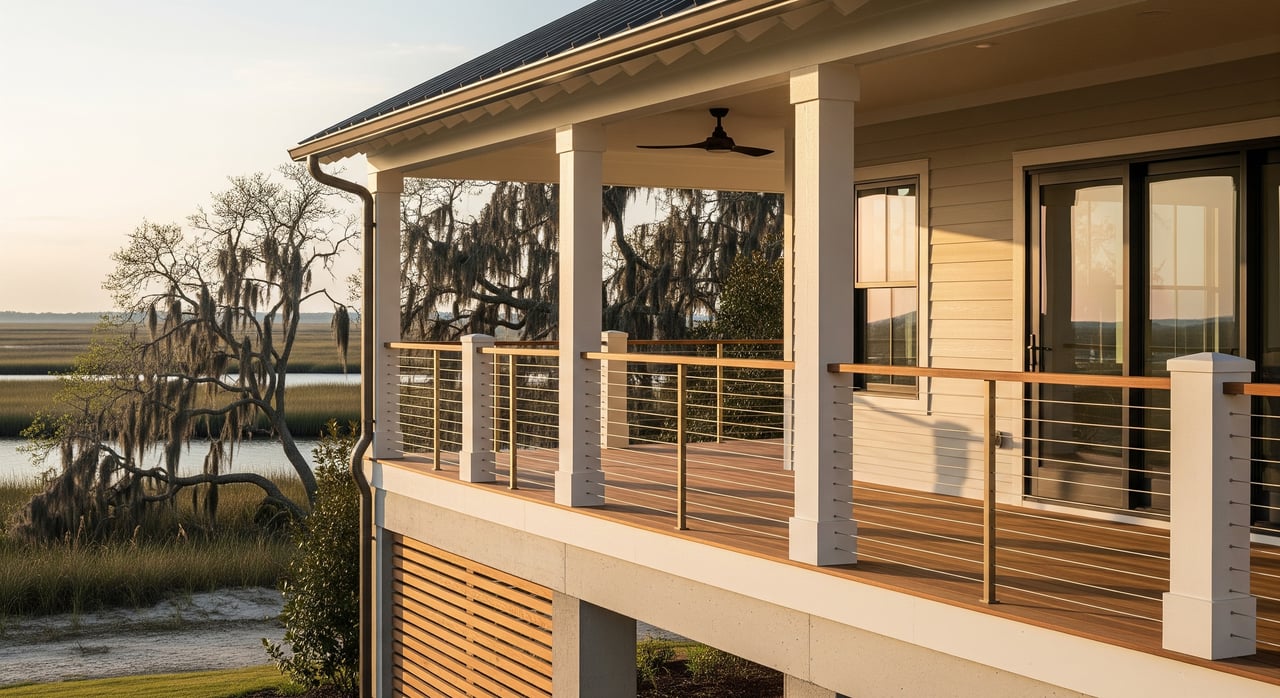
Salt air is part of coastal properties’ charm, but it can be tough on homes. If you want the beach lifestyle without constant repairs, the materials you choose matter. This guide highlights coastal-grade products that perform best in New Hanover County’s salt, sun, wind, and flood conditions, plus details that help them last. You’ll gain practical recommendations, installation musts, and maintenance tips to protect your investment. Let’s dive in.
Why coastal climates demand more from homes
Homes in coastal areas face salt‑air, high humidity, strong UV exposure, high winds during hurricane season, and occasional flooding in FEMA VE or AE flood zones. These conditions accelerate metal corrosion, promote rot and mold in organic materials, and stress every joint, seam, and fastener.
To select materials that last, focus on four priorities: corrosion resistance, rot and moisture resistance, wind and impact ratings, and assemblies that dry quickly after wetting. Following North Carolina building code and ASCE 7 wind standards ensures safety and performance.
Exterior siding and trim built for coastal durability
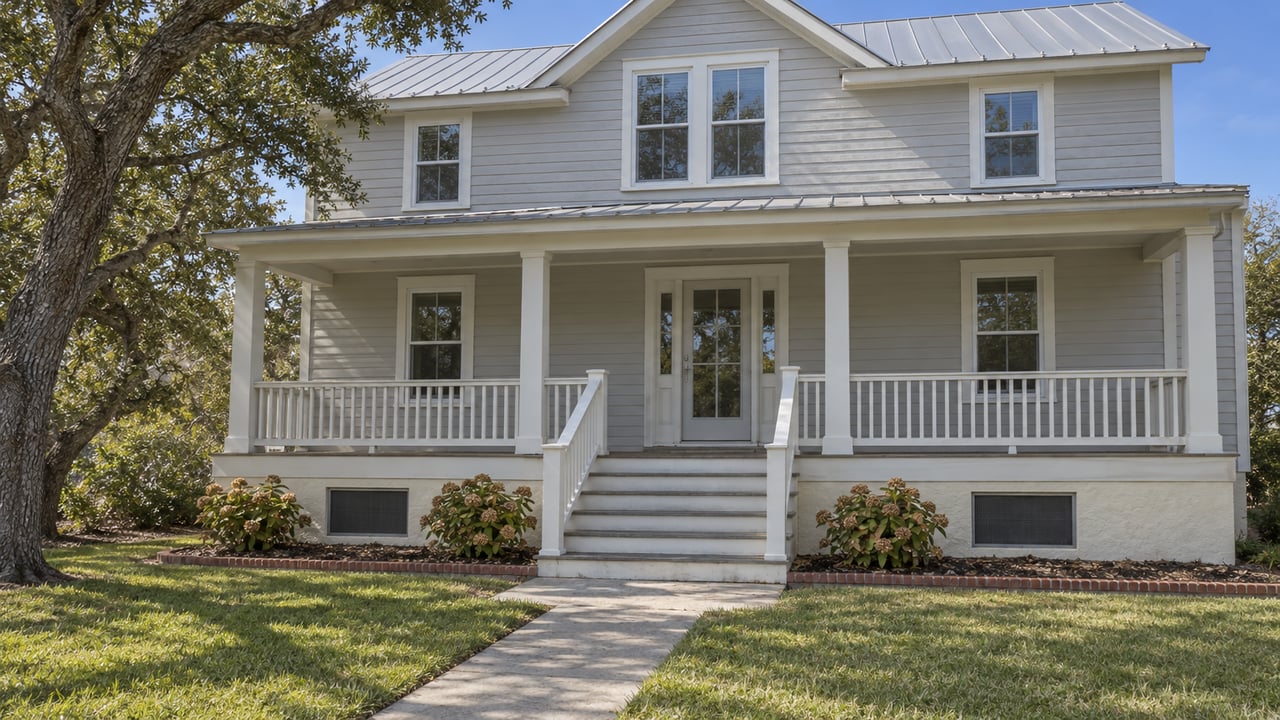
Fiber cement siding
Fiber cement resists rot and insects, holds paint well, and performs reliably with routine repainting and caulking. For coastal installs, use corrosion‑resistant fasteners and proper flashing. Edge protection and correct detailing keep water out.
PVC and cellular polymer trim
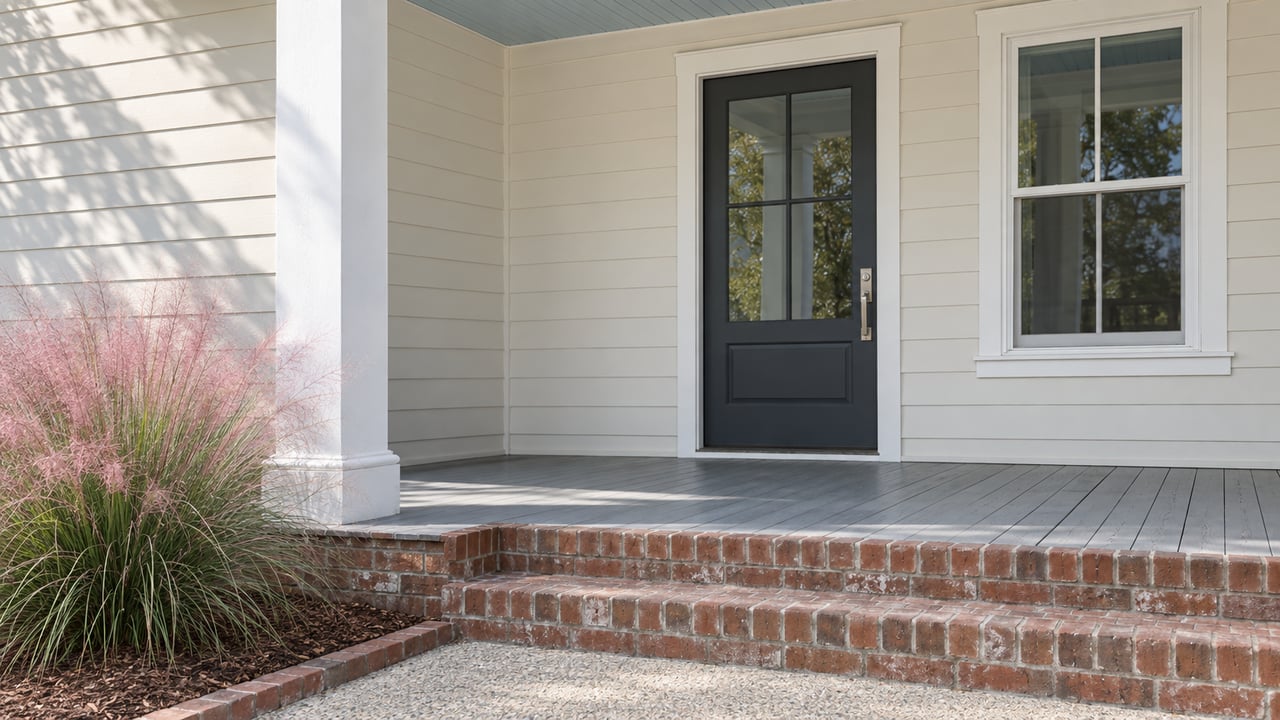
Non‑absorbent cellular PVC trim doesn’t rot, making it ideal for fascia, rakes, and detailed mouldings. Plan for thermal expansion, use compatible sealants, and install with stainless or approved fasteners. Works well with fiber cement siding for a low-maintenance exterior.
Engineered wood and vinyl siding
Engineered wood offers better stability than solid wood but still requires maintenance. Vinyl siding is affordable and low-maintenance but needs proper anchoring and flashing to keep water out. UV exposure may fade certain colors over time.
Natural wood options
Cedar, cypress, and tropical hardwoods offer a classic aesthetic but need regular sealing to withstand salt and humidity. Homes close to salt spray require diligent upkeep to maintain longevity.
Detailing that extends service life
- Install kick‑out and through‑wall flashings at transitions.
- Seal joints with UV‑stable, compatible sealants.
- Use stainless or approved corrosion‑resistant fasteners for all exterior attachments.
Roofs built for wind, sun, and salt
Metal roofing
Aluminum or coated steel metal roofs can last 40+ years when installed correctly. Standing seam systems provide excellent wind resistance. Use stainless or corrosion‑resistant fasteners, corrosion‑resistant edge flashings, and gutters.
Architectural asphalt shingles
High-wind-rated shingles offer 20–30 years of life. Use corrosion‑resistant nails and flashings, and ensure proper attic ventilation to extend service life.
Tile roofing
Concrete or clay tiles are durable and non-combustible. They require a roof structure designed for weight and protected flashings and fasteners. Proper installation is critical for wind performance.
Underlayment and ventilation
Use water-resistant underlayments and balanced attic ventilation to protect coatings, shingles, and framing from moisture damage.
Decks and railings that withstand salt and moisture
Capped composite and PVC decking
These materials resist rot and mold in salty, humid climates. Modern profiles offer slip resistance. Follow manufacturer spacing for expansion and contraction. Routine cleaning is usually sufficient.
Tropical hardwoods and treated wood
Ipe and other tropical hardwoods have natural durability. Pressure-treated wood is budget-friendly but needs stainless or hot-dip galvanized fasteners in coastal conditions and occasional maintenance.
Railing systems
Aluminum railings with coastal pretreatment, stainless steel cable, and composite posts handle salt air well. Avoid unprotected steel near salt spray.
Windows and doors built for storms
Impact-rated openings
Impact-rated windows and doors protect against debris and may lower insurance premiums. Frames like fiberglass or certain vinyl options with dimensional stability are ideal. Use corrosion-resistant hardware and fasteners.
Flashing and thresholds
Use proper sill pans, head flashings, and through-wall details to prevent water intrusion during wind-driven rain. Installation quality is as important as product selection.
Shutters and panels
For non-impact-rated windows, consider roll-down shutters or rated panels for secondary protection. Ensure secure attachment and compatible fasteners.
Fasteners, flashings, and coatings matter most
Use 316 or 316L stainless steel for fasteners in exposed areas. Hot-dip galvanized can be used in less-exposed areas when appropriate. For flashings and trim, aluminum, stainless steel, or coated galvalume are recommended. Avoid bare carbon steel near the shore. Maintain metal coatings per manufacturer guidance.
Foundations and flood-ready materials
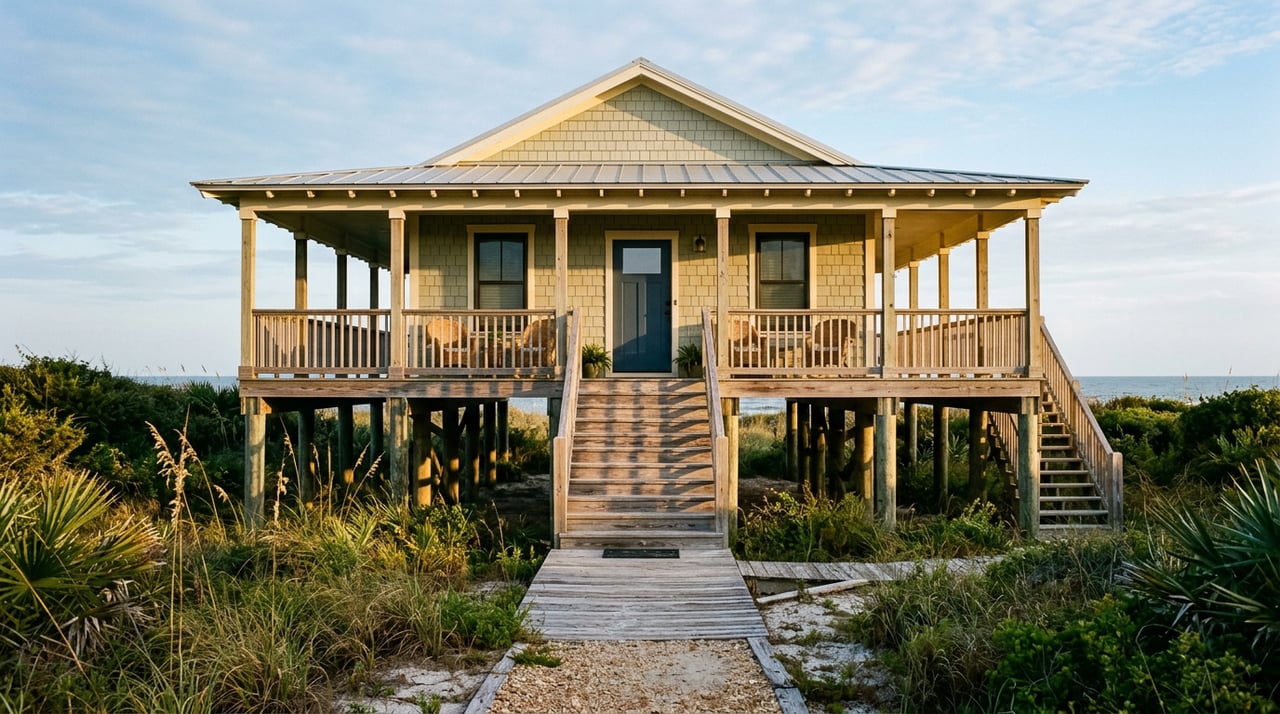
Elevated pier or pile foundations are common in VE and AE zones. Materials below the design flood elevation should be flood-resistant. Concrete durability improves with the right mix, and epoxy-coated or stainless rebar may be required. Continuous load paths with corrosion-resistant connectors ensure code compliance and wind resistance.
Moisture management that helps homes dry
Maintain a continuous drainage plane with quality house wrap, flashings, drip edges, and well-sized gutters. Consider ventilated rainscreens. Inside, use insulation and ventilation strategies that allow assemblies to dry. Below flood elevation, use flood-resistant materials for easy cleanup.
Codes, insurance, and warranties
Follow North Carolina building code, ASCE 7 wind loads, and FEMA flood maps. Elevated foundations, impact-rated assemblies, and resilient materials can influence insurance. Always confirm manufacturer coastal warranty terms. Using non-approved fasteners or installation methods may void coverage.
Cost vs. longevity
- Metal roofing: 30–60+ years with proper coatings and maintenance.
- Architectural shingles: 20–30 years.
- Fiber cement siding: 30–50 years with routine care.
- Capped composite decking: 25–30+ years.
- Tropical hardwood decking: 25–50 years with periodic care.
- Vinyl or PVC trim: 20–30 years with proper maintenance.
Coastal properties materials checklist
- Siding: Fiber cement with ventilated rainscreen; stainless fasteners.
- Trim: Cellular PVC with compatible sealants; concealed fastening when possible.
- Roofing: Aluminum or coated steel with fluoropolymer finish; corrosion-resistant fasteners and edge metals.
- Decking: Capped composite or PVC; follow expansion spacing.
- Railings: Powder-coated aluminum or stainless cable; avoid unprotected steel.
- Windows & Doors: Impact-rated with corrosion-resistant hardware and proper flashing.
- Fasteners & Connectors: 316 stainless in exposed areas; hot-dip galvanized where appropriate.
- Drainage: Continuous house wrap, robust flashings, kick-out flashings, and clear gutters.
- Below Flood Elevation: Flood-resistant materials designed to dry.
Choosing products and local pros
- Check if the product is rated for salt-air and has coastal finishes.
- Confirm required fasteners and flashings for coastal warranty; use 316 stainless when needed.
- Verify impact and wind ratings for windows and doors.
- Understand maintenance requirements and exclusions near saltwater.
Hire contractors with coastal experience, verify references, confirm licensing, and ensure manufacturer installation instructions are followed. Engage a structural engineer for foundation or structural changes in VE or AE zones.
Make your coastal home last
Durable materials protect your budget, time, and peace of mind, while supporting resale or vacation-rental operations. Choose assemblies designed for salt, sun, wind, and water. For guidance on homes with coastal-grade features or recommended upgrades, Lumina Blue Properties offers local expertise, premium presentation, and management for confident coastal living.
FAQs
Which siding lasts longest in coastal salt air?
- Fiber cement performs reliably with routine care, stainless fasteners, and proper flashing.
Do I need impact-rated windows?
- In exposed zones, impact-rated openings may be required for storm resilience and insurance; verify local codes.
Which fasteners are best for decks and trim?
- Use 316 or 316L stainless steel for exposed areas; hot-dip galvanized is acceptable in less-exposed areas.
Are metal roofs worth it?
- Yes, aluminum or coated steel with high-performance finishes can last 30–60+ years with proper installation and care.
What materials should I use below the base flood elevation?
- Use flood-resistant materials like concrete, masonry, closed-cell foam, and water-resistant sheathing.
How often should I maintain exterior finishes?
- Rinse salt after storms, clean gutters regularly, and re-caulk or repaint per manufacturer recommendations, typically every 5–15 years.